
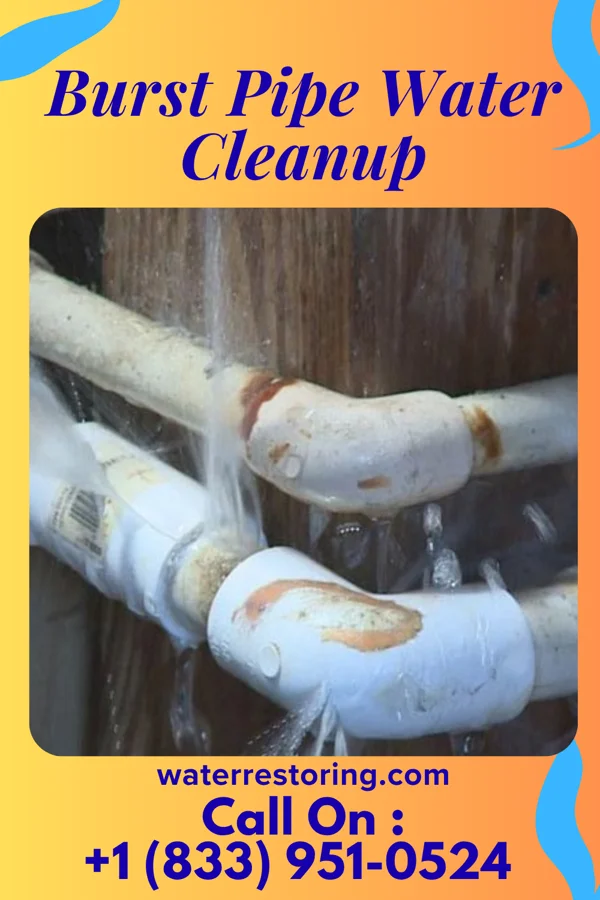
Why Burst Pipes Hit St. Paul Hard
The pattern in St. Paul is consistent. St. Paul, Missouri, experiences frequent temperature fluctuations that can cause pipes to expand and contract, increasing the risk of bursts, especially in older homes with outdated plumbing systems. The presence of nearby water sources like the Mississippi River also raises concerns about potential water contamination if a burst occurs. drives most of the emergency restoration calls we get. A close second is The rural setting of St. Paul, with its mix of residential and agricultural properties, means that irrigation systems and underground water lines are common and vulnerable to damage from freezing temperatures or physical stress. This increases the likelihood of secondary pipe failures during harsh winter months..
St. Paul's climate, characterized by cold winters and warm summers, creates a challenging environment for plumbing systems. The combination of freezing temperatures and high humidity levels can lead to condensation, corrosion, and eventual pipe failure, making prompt cleanup essential.
St. Paul's climate, characterized by cold winters and warm summers, creates a challenging environment for plumbing systems. The combination of freezing temperatures and high humidity levels can lead to condensation, corrosion, and eventual pipe failure, making prompt cleanup essential. The dominant local driver is St. Paul, Missouri, experiences frequent temperature fluctuations that can cause pipes to expand and contract, increasing the risk of bursts, especially in older homes with outdated plumbing systems. The presence of nearby water sources like the Mississippi River also raises concerns about potential water contamination if a burst occurs., with The rural setting of St. Paul, with its mix of residential and agricultural properties, means that irrigation systems and underground water lines are common and vulnerable to damage from freezing temperatures or physical stress. This increases the likelihood of secondary pipe failures during harsh winter months. showing up as the next most common cause. Damage builds in stages. Spread. Absorption. Microbial growth. Structural compromise. Every stage you pass through adds to the final bill.